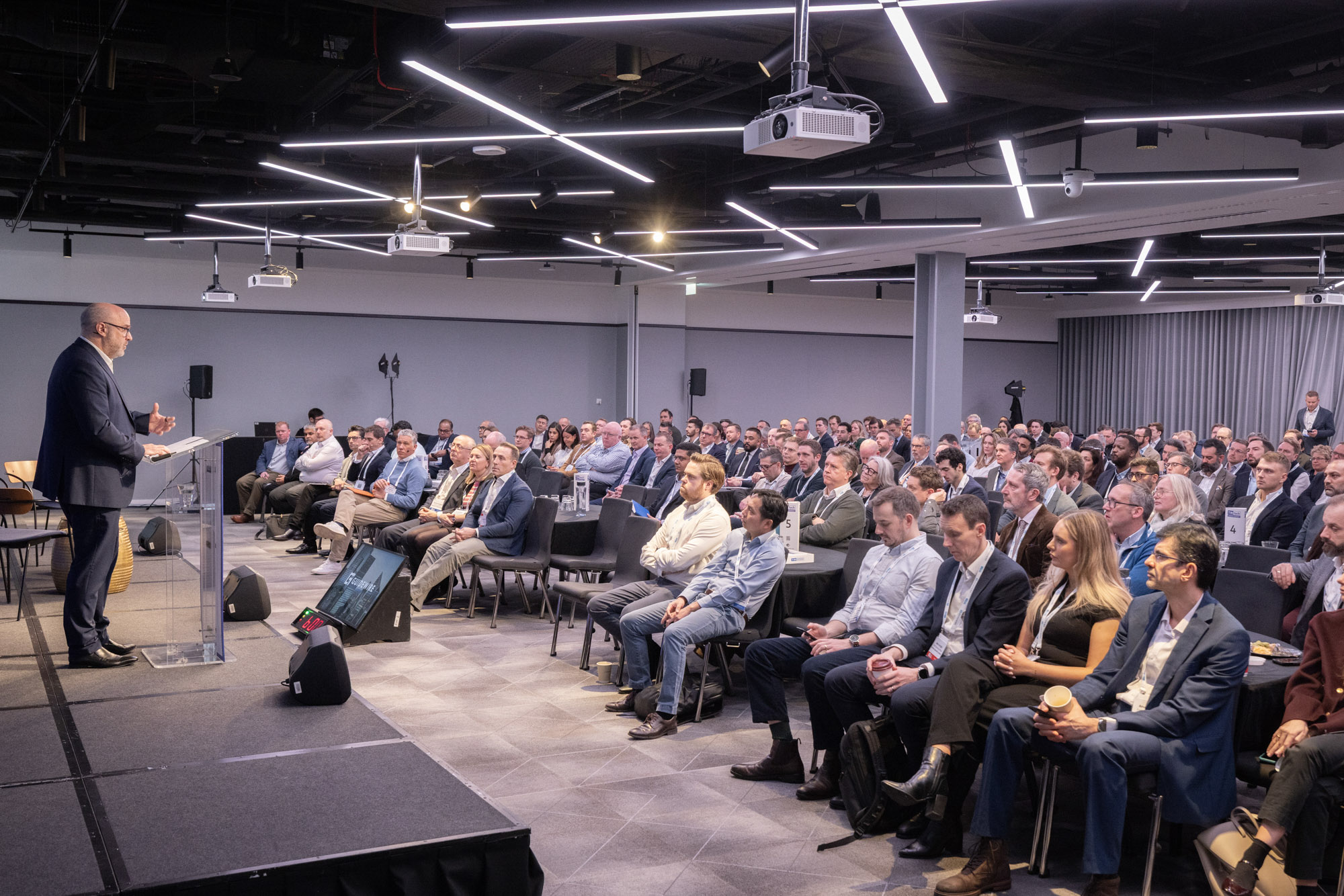
Unsurprisingly dominated by AI, the latest event from The Insurance Network ushers in a period of tremendous change in the insurance sector. Our Business Development Director Dan McNamara shares some of his top takeaways from the event…
TINTech events are always one of the highlights of the insurance calendar, but the timing of this year’s London Market edition seemed particularly pertinent, with the backdrop of near-daily announcements about the future of the industry and the impact of AI. The event struck the perfect balance between cautious optimism for the future and pragmatism about the challenges still holding the market back. Here are some the points that cut through for me…
1. AI is exposing inefficient processes
One unexpected benefit of the AI surge is how effectively it highlights operational weakness. As firms look for AI use cases, they are uncovering fragmented and poorly designed workflows powered by patchy data. The solutions to these underlying issues may or may not involve AI, but the important thing is that AI is acting as a spotlight, forcing companies to confront inefficiencies that have been tolerated for years.
2. The best AI problems look like Sudoku
This is a helpful analogy for anyone trying to find great AI use cases. Problems that are difficult to solve, yet straightforward to validate once solved, make great candidates for AI solutions. Where companies struggle is with problems that are hard to solve and hard to check, which tends to create risk and governance challenges. Hat-tip to Nicholas Robert for the Sudoku analogy.
3. The ambition versus reality gap is still wide
There is no shortage of ambition surrounding AI in insurance. However, the operational reality often tells a different story. Poor data quality, fragmented systems and manual processes remain common. Layering advanced AI tools over weak foundations rarely delivers much value, so it’s crucial to invest in data and operational modernisation, which roll the pitch for great AI solutions.
4. Data quality is a big AI risk
AI doesn’t just reflect data quality, it amplifies it. If data is incomplete, biased, or inconsistent, AI can scale those issues quickly and with a worrying degree of confidence. This creates both operational and regulatory risk. Strong governance, data discipline and structured capture are not particularly glamorous initiatives (and certainly not new), but they are increasingly important as prerequisites for responsible AI adoption.
5. Claims is an untapped data opportunity
Is the industry missing a big trick when it comes to claims data? The basic information associated with a claim is always captured, but large volumes of valuable contextual information are not – at least not in a way that makes it useful. Loss adjuster notes, photographs, narrative descriptions and environmental details often sit outside of structured data systems. Without capturing and organising this information, insurers may be limiting their ability to generate better quality insight and improve future decision-making.
6. Innovation exists, but governance is lagging
Across the market, there are pockets of fantastic experimentation and creative AI initiatives. There’s no lack of ideas or compelling use cases, but these initiatives often get stuck somewhere between ‘pilot’ and ‘production’. Governance frameworks, risk appetite, sponsorship and ownership structures are often unclear. Without alignment at organisational level, insurance firms will continue to struggle to realise the benefits that cutting-edge technology can bring.
7. Most AI use cases are still operational
Most AI deployments are still focused on internal efficiency and cost reduction. These use cases feel safer from a compliance perspective and often have solid (if not exciting) business cases. However, they tend to optimise existing models rather than doing anything fundamentally different. The more transformative opportunity lies in revenue-driving applications, particularly in underwriting and risk selection, but these areas remain far riskier.
8. Does the industry need a big AI lawsuit?
Using AI to influence underwriting or pricing introduces legal and regulatory complexity. Many firms remain cautious, unsure how far they can push automated or augmented decision-making. It came up in discussions that perhaps what the industry needs is a whopping law suit to help set a precedent and define the boundaries. Confidence will grow as boundaries become clearer, but until precedents emerge, insurers are likely to continue to play it safe.
9. Legacy is about behaviour as much as technology
Legacy is often framed as ‘old’ systems, but the real issue is relevance. Technology becomes ‘legacy’ when it no longer serves business objectives. The same applies to behaviours, structures and assumptions. Replacing platforms without challenging outdated ways of working simply codifies inefficiency. True transformation requires cultural and behavioural evolution alongside technological change. As always, transformation is a ‘people’ challenge as much as a ‘technology’ challenge.
Final reflections
It’s interesting that in the days that followed TINTech, major new AI announcements hit the share price of some our biggest and most important insurance companies. It certainly feels like a call-to-arms to the industry: if the pace of change and innovation isn’t to the market’s liking, the market will find other ways. It’s clear that the AI opportunity is there to be grasped, but the future of the industry will be shaped by companies that are prepared to take calculated risks, challenge established thinking, and maybe sometimes ask for forgiveness rather than permission. The industry needs to adapt, and it needs to move fast.
Build IT Now
Want to learn more about what we can do for your business? And how quickly? Go to the Systems iO services page or
Stay updated with our latest insights, industry news, and exclusive content by following us on LinkedIn! Join our growing community of professionals and be part of the conversation. Follow us on LinkedIn and never miss an update!
If you would like to receive our newsletter direct to your inbox, simply sign up at the bottom of this page..